

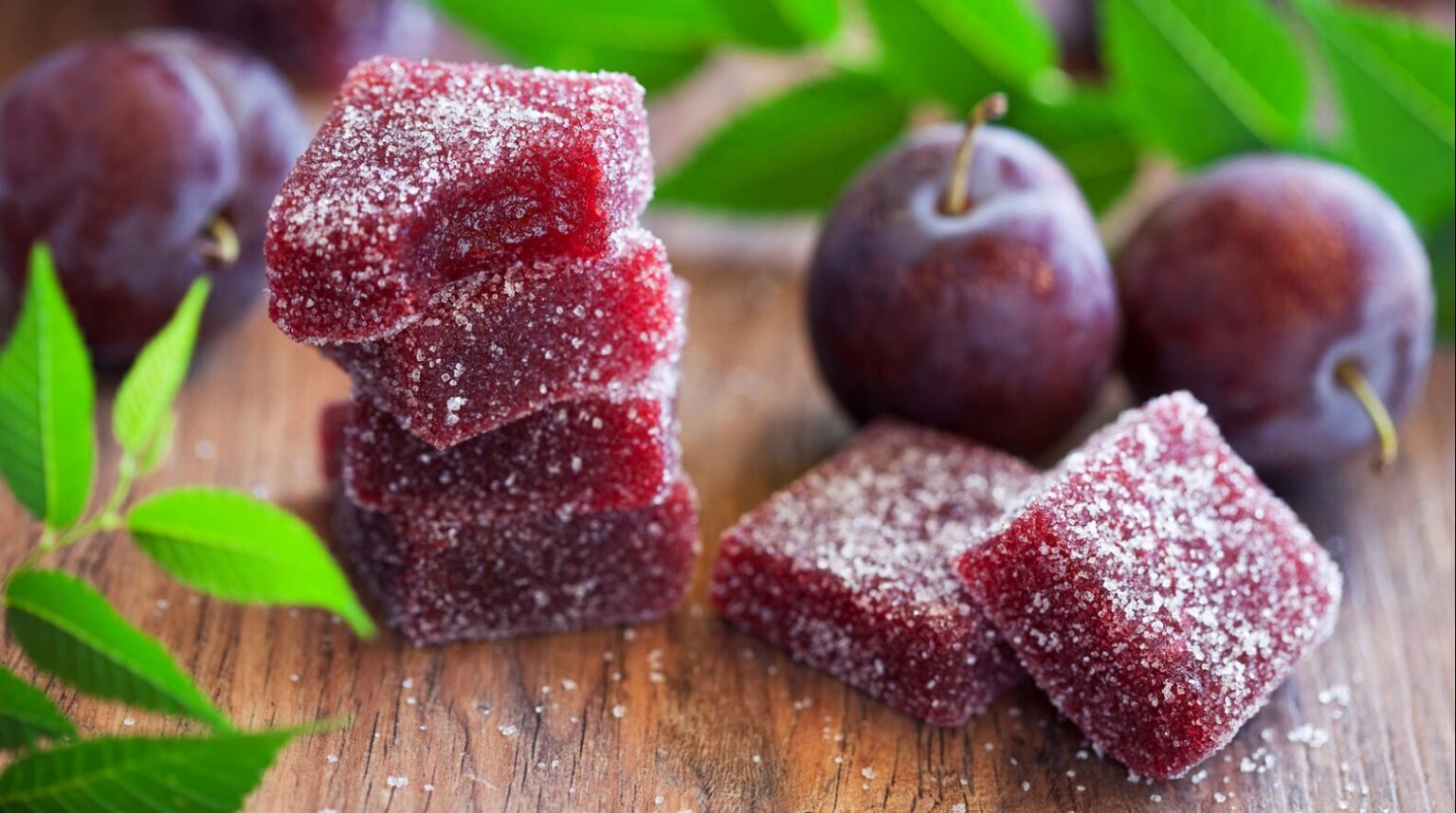
Every December, the term pops up in carols and stories, leaving many to wonder: what is a sugar plum, really? The answer is more fascinating than you might think. Far from being a sugar-coated fruit, the traditional sugar plum is a historic confection with a story woven through centuries of culinary art and Christmas tradition. This guide reveals the sweet truth behind this mysterious treat, from its surprising origins to its modern-day legacy.
What Is a Sugar Plum? A Historical Definition
So, what is a sugar plum at its core? Contrary to popular belief, it was not originally made from plums. In the 16th to 19th centuries, a “sugar plum” was a type of comfit—a small, hard candy made by repeatedly coating a central seed, nut, or spice piece with layers of hardened sugar syrup. This was a labor-intensive process, often involving a “panning” technique in a rotating hot pan over days. The most common centers were caraway, coriander, cardamom, or an almond. The word “plum” here was a generic term from pre-Victorian England for any dried fruit or sweet treat, much like how “sweets” or “candy” is used today. Therefore, a sugar plum was essentially a prized, jewel-like piece of dragée candy, valued for its sweetness and often its supposed digestive benefits.
The Evolution of the Sugar Plum
Over time, as sugar became more affordable and technology advanced, the definition and recipe for the sugar plum evolved. By the Victorian era, the concept began to soften, both literally and figuratively. The term started to encompass a wider variety of candies and sweetmeats. The most significant shift to the modern interpretation came in the 20th century, especially in North America. Today, when people refer to sugar plums, they typically mean a no-bake confection made from chopped dried fruits (like dates, plums, apricots, and figs) and nuts (like almonds or walnuts), ground together, rolled into balls, and coated in sugar. This version is a delicious, energy-dense treat that pays homage to the original’s name and spirit, if not its precise technique.
Sugar Plums and The Nutcracker Connection
No exploration of what is a sugar plum is complete without mentioning its most famous association: The Nutcracker. The “Dance of the Sugar Plum Fairy,” from Tchaikovsky’s 1892 ballet, immortalized the treat in popular culture. The fairy is the ruler of the Land of Sweets, and her delicate, enchanting dance is accompanied by the celestial sound of the newly-invented celesta. This connection forever linked sugar plums with Christmas magic, fantasy, and childhood wonder. It solidified the idea in the public imagination that sugar plums were not just candy, but something exquisite and dream-worthy—the very food of fairy tales.
How to Make Traditional Sugar Plums
Want to taste the evolution of this historic sweet? Here is a simple recipe for the modern, fruit-and-nut version of sugar plums that you can make at home.
Ingredients for Modern Sugar Plums
- 1 cup mixed dried fruits (e.g., dates, apricots, prunes, figs)
- 1 cup raw nuts (e.g., almonds, walnuts, or pecans)
- 1/4 cup honey or maple syrup
- 1 tsp ground spices (like cinnamon, cardamom, or allspice)
- 1/2 cup desiccated coconut, powdered sugar, or finely chopped nuts for coating
Step-by-Step Instructions
- In a food processor, pulse the nuts until finely chopped. Transfer to a bowl.
- Add the dried fruits to the processor and pulse until they form a sticky paste.
- In a mixing bowl, combine the processed nuts, fruit paste, honey, and spices. Mix thoroughly until a uniform dough forms.
- Pinch off small portions and roll into 1-inch balls.
- Roll each ball in your chosen coating (coconut, sugar, or nuts) until fully covered.
- Place on a parchment-lined tray and refrigerate for at least an hour to set. Store in an airtight container.
Frequently Asked Questions About Sugar Plums
Q: Are sugar plums made from plums?
A: Historically, no. Traditional sugar plums contained no plum fruit. The name was a catch-all term for candy. Modern versions often include prunes (dried plums) or other dried fruits, which has led to this understandable confusion.
Q: What did original sugar plums taste like?
A: The taste depended on the center. A coriander-seed sugar plum would have a sweet, citrusy, and slightly spicy flavor beneath the hard sugar shell. An almond-centered one would taste like sweetened almond.
Q: Why are they associated with Christmas?
A: Their association stems from a few factors: they were a luxury treat saved for special occasions like holidays, they are mentioned in Clement Clarke Moore’s A Visit from St. Nicholas (“visions of sugar-plums danced in their heads”), and their fame was cemented by the Christmas ballet, The Nutcracker.