

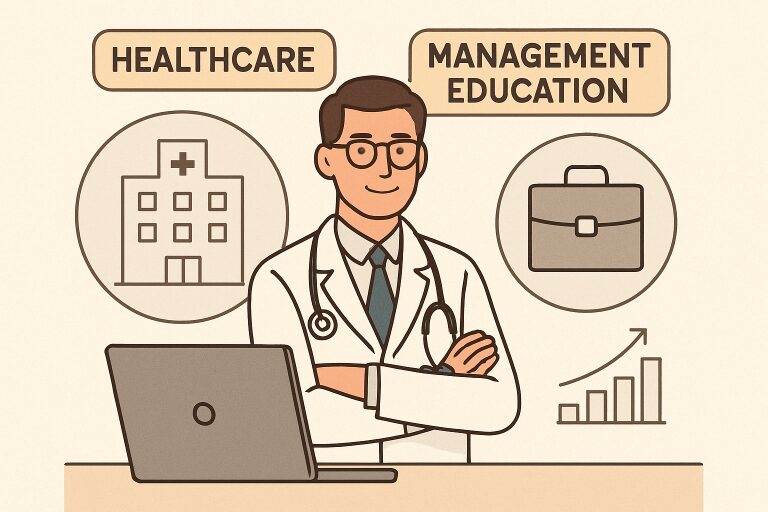
In today’s fast-moving healthcare industry, there is an urgent need for professionals who are not only skilled in clinical practice but are also capable leaders. The increasing complexity of healthcare delivery, driven by technological innovation and regulatory pressures, is prompting many to consider programs such as an online MBA in healthcare management. These programs are changing the pathways to leadership and helping professionals acquire the nuanced skill sets necessary for tomorrow’s healthcare landscape.
The flexibility and accessibility of online MBA programs are enabling more healthcare workers to develop leadership skills while maintaining their current careers. As healthcare systems become more integrated and complex, the value of advanced business and administrative training tailored for healthcare has never been higher.
Healthcare organizations require leaders who can think strategically, implement new technologies, and understand the intricate financial and operational factors that impact patient care. Online MBA Healthcare Management programs bridge the traditional gap between business and medicine, preparing managers for roles that demand both empathy and efficiency.
According to a recent Forbes article, integrating business principles across more healthcare settings is not just beneficial; it is essential to drive meaningful improvements in patient outcomes and organizational performance.
Rising Demand for Healthcare Leaders
The past decade has seen enormous changes in how healthcare is delivered. Leaders are increasingly needed who understand not only the clinical aspects of care but also the business operations that ensure patient safety and organizational sustainability. The U.S. Bureau of Labor Statistics projects a 32 percent increase in medical and health services manager jobs from 2020 to 2030, outpacing average industry growth. As hospitals, clinics, and public health agencies become more complex, the need for professionals who are adept at both clinical and administrative tasks increases dramatically.
Flexibility and Accessibility of Online Programs
One of the most significant benefits of pursuing an MBA in Healthcare Management online is the flexibility to continue working while earning a degree. Universities, including YSU and other institutions, now make it possible to attend courses and complete assignments from anywhere, on a schedule that suits professionals managing busy workloads. This accessibility opens doors to career advancement for a broad and diverse group of current and aspiring healthcare leaders, regardless of location.
Comprehensive Curriculum Tailored to Healthcare
Online MBA programs in healthcare are designed with both breadth and depth in mind. The curriculum typically combines rigorous business courses in areas such as accounting, strategic management, and leadership with courses specific to healthcare operations, ethics, policy, and informatics. These programs provide students with practical case studies and real-world projects that mirror the challenges faced by modern healthcare organizations. This blend ensures graduates can apply evidence-based management practices to improve operational efficiency and promote better health outcomes.
Bridging the Gap Between Clinical and Administrative Expertise
Many clinicians find themselves at a crossroads when they want to move into leadership or administrative roles. An MBA in Healthcare Management is a proven bridge, offering a comprehensive foundation in project management, data analytics, and financial stewardship as applied to healthcare. Programs offered by universities like Capella are specifically designed to help clinicians translate their hands-on patient experience into broader leadership competencies. This transition is crucial for fostering collaboration across departments and for better decision-making at all organizational levels.
Preparing Leaders for Technological Advancements
The healthcare industry is experiencing rapid digital transformation, with artificial intelligence, telemedicine, electronic medical records, and data analytics changing how care is delivered. MBA graduates with specialized knowledge are better prepared to lead these changes and guide their organizations through implementation phases. Training in innovation management and technology adoption is now often a core part of healthcare MBA curricula, ensuring leaders are prepared to handle disruptions while maintaining quality and compliance. For additional context, readers may refer to this HealthTech Magazine overview of how AI is transforming healthcare leadership.
Enhancing Career Prospects and Industry Recognition
Graduates of online MBA Healthcare Management programs frequently experience significant career growth, including promotions, salary increases, and broader professional recognition. Employers increasingly require or prefer advanced degrees for senior management positions, and alumni from recognized programs, such as The Healthcare MBA, often report positive outcomes. This recognition signals to employers and colleagues that graduates possess both the practical administrative skills and the visionary leadership qualities needed to guide their organizations through continuous change.
Conclusion
Online MBA Healthcare Management programs are preparing the next class of leaders in a sector marked by rapid evolution and rising expectations. By blending accessibility, practical business education, and healthcare-specific instruction, they are equipping professionals to address the most pressing challenges in today’s healthcare systems. Those seeking to influence the future of patient care, operational excellence, and healthcare innovation would benefit from considering this advanced educational path as a decisive step forward.