

For contractors, choosing the right conduit directly impacts the success and cost-effectiveness of any electrical installation. Ensuring that you select the proper material, size, and supplier means guaranteeing compliance, project safety, and long-term durability. As wholesale conduit purchases become increasingly common for large-scale projects, understanding all aspects of conduit selection becomes increasingly essential. To explore reputable wholesale options, visit https://divergentalliance.com/supply/wholesale-conduit/ for more information.
The variety of conduit materials and suppliers can be overwhelming. Considering project-specific requirements and budget constraints, contractors must weigh quality, ease of installation, and regulatory compliance before making decisions. Recognizing when to buy in bulk, identifying certified products, and staying up to date with current trends will create a hassle-free installation process and help avoid costly complications during and after construction.
Understanding Conduit Materials
Electrical conduit is offered in several varieties, each tailored for different demands and environments. Selecting the right material is critical, as it must protect wiring, support safety, and align with installation conditions.
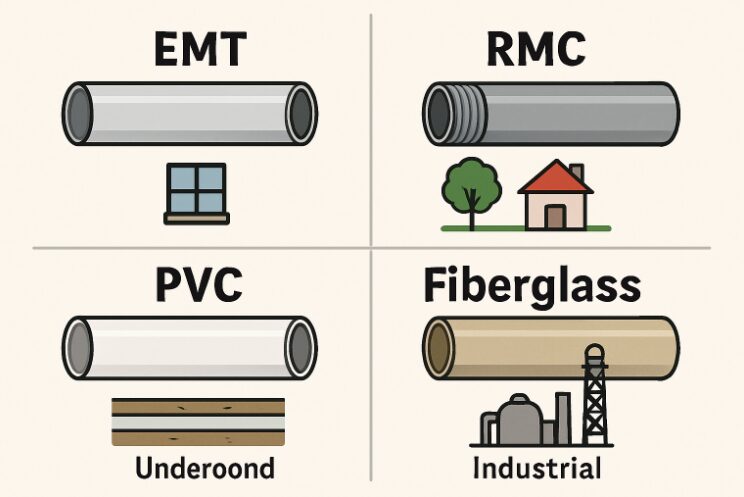
- Electrical Metallic Tubing (EMT): This lightweight conduit is often favored for indoor runs in commercial buildings due to its ease of handling and simple installation. EMT works well for projects where bending conduit is necessary and where strength requirements are moderate.
- Rigid Metal Conduit (RMC): RMC provides robust protection, making it the go-to solution for outdoor or industrial environments where exposure to mechanical stress and weather is expected. It resists physical impacts and ensures long-term durability.
- Polyvinyl Chloride (PVC): Known for its corrosion resistance, PVC conduit is a good choice for underground installations and areas where chemical exposure may be a concern. It is lightweight, cost-effective, and non-conductive, increasing safety in damp or wet locations.
- Fiberglass Conduit: Increasingly selected for large-scale or specialty projects, fiberglass conduit is strong yet lightweight. Its non-corrosive properties reduce maintenance needs, and it is easy to transport, saving on labor and shipping expenses.
Cost Considerations in Wholesale Purchasing
Securing conduit at wholesale rates can significantly reduce project costs, but the savings depend on an informed purchasing process. Since conduit costs are influenced by material, size, and safety certification, each job requires careful evaluation:
- Material Type: For example, fiberglass conduit can cut overall project costs by nearly 80 percent compared to some traditional materials. This makes it a strategic choice for large builds or installations with aggressive timelines.
- Size and Wall Thickness: Larger diameters and thicker walls increase raw material use, transportation costs, and installation time. Determining the exact specifications needed can prevent overspending on products that are unnecessarily robust.
- Certifications: Conduit with UL certifications or compliance with AS/NZS standards may come at a premium, but they are a wise investment. Certified conduit ensures adherence to strict safety requirements and helps contractors avoid potential liabilities arising from non-compliance.
Compliance and Standards
Adhering to applicable codes is a fundamental responsibility for every licensed contractor. The National Electrical Code (NEC) remains the principal guideline for conduit requirements. For example, NEC Article 358 covers EMT installation, while NEMA RN-1 provides guidance for liquid-tight flexible conduits. Selecting products that meet recognized industry standards not only ensures compliance but also protects the safety of both installers and building occupants. Reliable compliance documentation can be found through the NFPA (National Fire Protection Association), the issuing body for the NEC.
Best Practices for Installation
Effective conduit installation is about more than simply attaching tubes to a wall. Proper techniques maximize system lifespan, protect wiring, and simplify future maintenance:
- Plan the Layout: A detailed pathway plan reduces unnecessary bends and makes wire pulling more efficient. Thoughtful layouts reduce labor time and the risk of kinks or conductor damage.
- Secure Mounting: Use tested mounting brackets and support hardware appropriate for the conduit type and diameter. Preventing sagging or movement is vital for long-term safety.
- Seal Joints: Every joint, coupling, and connector must be tightly fastened and properly sealed. This prevents moisture ingress and keeps dust or corrosive substances away from electrical wiring.
Emerging Trends in Conduit Selection
The landscape for conduit selection continues to evolve as material science advances and environmental considerations come to the forefront. The growing popularity of fiberglass conduit reflects the drive for easier handling, reduced labor, and transportation savings. In addition to cost savings, new products often bring eco-friendly manufacturing practices and improved safety features. Staying informed about current trends ensures that contractors remain competitive and compliant in a changing market.
By investing the time to understand conduit varieties, cost impacts, and evolving best practices, contractors can deliver successful, code-compliant, and profitable projects every time.