

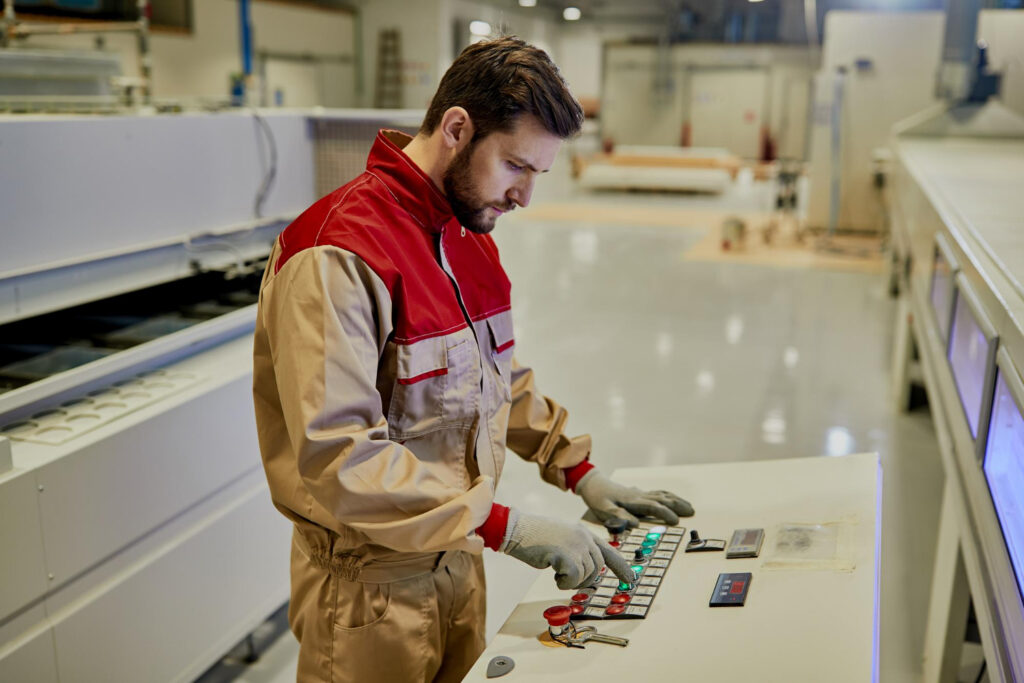
Custom thermoforming has become a cornerstone of modern manufacturing, offering a swift, adaptable way to shape plastics for an incredibly wide range of uses. By heating plastic sheets and forming them over carefully designed molds, manufacturers can generate intricate forms with consistent quality and at competitive costs. As a result, companies across industries are partnering with a reliable plastic thermoforming company to bring complex concepts to life while maintaining efficiency and scalability. This approach to manufacturing supports both rapid prototyping and mass production, making it an essential process in sectors where innovation and precision are crucial.
Thermoforming’s popularity stems from its versatility and the ability to rapidly scale production without the need for the expensive tooling associated with other plastic-forming processes. Modern innovations have improved both the design flexibility and the durability of thermoformed parts, making them ideal for demanding environments such as automotive, aerospace, electronics, and healthcare. As the global market pushes for lighter, stronger, and more sustainable solutions, thermoforming has evolved in step with these priorities.
Advancements in Sustainable Materials
The movement toward eco-friendly manufacturing practices has inspired significant innovations in the materials used for thermoforming. Manufacturers are increasingly selecting bio-based thermoplastics and recyclable polymers to address growing environmental concerns. The integration of these materials not only reduces plastic pollution but also enhances brand credibility for industries focused on sustainability. Many global companies have adopted sustainable packaging as a core part of their corporate responsibility initiatives, leading to a surge in the development of recyclable thermoform packaging and products.
In addition to meeting regulatory and consumer demand, advanced sustainable materials can also improve product performance by offering comparable strength and durability to traditional plastics. These innovations are particularly relevant in industries such as food packaging, electronics, and consumer goods, where the balance between reliability and environmental stewardship is crucial.
Integration with 3D Printing
Custom thermoforming is now benefiting from the synergy with additive manufacturing processes such as 3D printing. By combining thermoforming with 3D technology, manufacturers can achieve a new level of design complexity and shorten product development cycles. For example, molds created using 3D printing enable more intricate geometries and rapid iteration during the prototyping phase. This hybrid approach not only accelerates innovation but also reduces costs and material waste, especially valuable for industries that require frequent updates or limited runs of custom components.
Applications in the Medical Industry
The medical device industry has recognized thermoforming as an effective method for producing specialized components, including device covers, trays, and enclosures. This process offers precise tolerances and sterile capabilities, allowing manufacturers to produce parts that meet strict regulatory standards. Custom thermoforming has been shown to enhance both the functionality and aesthetic appeal of diagnostic machine housings and surgical equipment enclosures. Its adaptability enables the design of medical products that balance safety, ease of use, and durability.
Enhancing Packaging Solutions
Packaging is another area where thermoforming provides unparalleled benefits, especially in the food and consumer goods sectors. The meat and poultry industry, for example, has widely adopted vacuum skin packaging (VSP) to extend product shelf life, maintain freshness, and offer attractive retail displays. Thermoform packaging offers superior protection, visual appeal, and cost-effectiveness, which is why it has become standard across multiple industries facing high consumer scrutiny and regulatory compliance.
Quality Control and Efficiency
Today’s custom thermoforming facilities are equipped with advanced quality assurance technologies. In the United States, rigid thermoform plastic packaging manufacturers use inspection systems powered by advanced computer vision and machine learning to detect minuscule defects with remarkable accuracy. Quality management systems now rely on cross-departmental digital platforms for real-time monitoring and documentation. This level of precision and documentation is crucial for industries such as pharmaceuticals and electronics, where even minor defects can have significant consequences. Cleanroom manufacturing environments are utilized for components requiring high sterility, while rigorous mechanical and visual inspections ensure each part meets the highest quality standards throughout production.
Future Trends and Innovations
The future of custom thermoforming looks promising, with the rise of hybrid manufacturing techniques that combine traditional forming with emerging technologies such as 3D printing. These advancements continue to increase design freedom and functionality while reducing production waste. Innovative trends such as digital twin technology and AI-powered process optimization are set to reshape the way manufacturers approach product development and mass customization. Such approaches not only enhance efficiency but also open up opportunities for tailored solutions in highly regulated, fast-evolving markets.
Conclusion
Custom thermoforming is integral to advancing modern manufacturing by delivering adaptable solutions across industries from medical to consumer goods. Its combination with next-generation technologies, coupled with the adoption of sustainable practices, ensures that thermoforming will remain essential for producing high-quality, customizable components in a rapidly changing industrial landscape.