

Missing teeth can have a profound impact on daily life, affecting not just how a person eats or speaks but also their overall confidence and well-being. Beyond these challenges, untreated tooth loss can also contribute to oral health problems such as shifting teeth and gum disease, compounding long-term concerns.
Thankfully, developments in modern dentistry have introduced an array of inventive solutions designed to restore functionality and aesthetics, helping individuals regain a healthy smile and an improved quality of life. With the advent of advanced dental procedures and technology, patients today have a variety of options. Whether seeking permanence, affordability, or the latest advances in the field, these solutions are tailored to meet individual needs. From tried-and-true dental implants to 3D-printed dentures and emerging biological alternatives, the future of tooth replacement is both exciting and accessible.
Dental Implants: A Permanent Solution
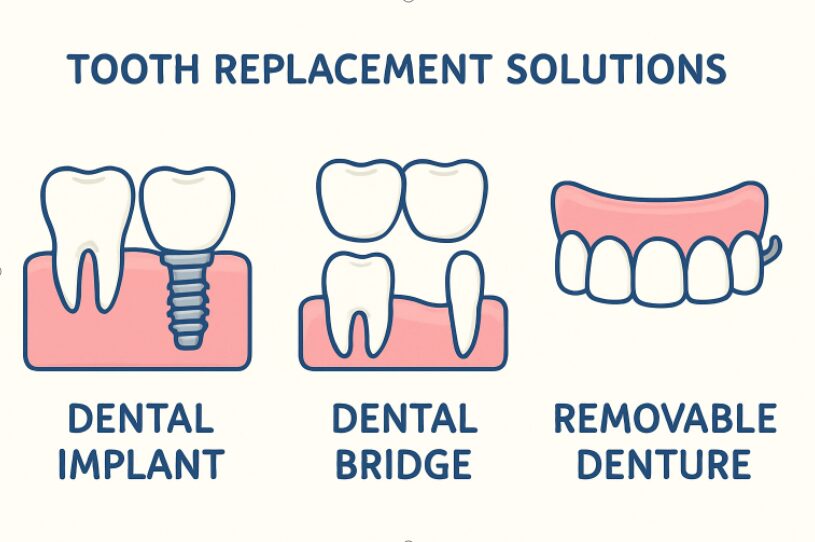
Dental implants are widely considered the leading standard in modern tooth replacement. This solution involves surgically placing a titanium post in the jawbone, which serves as a supportive anchor for a prosthetic tooth. Because the implant fuses to the bone over time, it closely mimics the look, feel, and function of a natural tooth. Of particular note is the ability of implants to prevent jawbone deterioration by providing the necessary stimulation, effectively preserving the integrity of the facial structure. This long-term benefit sets dental implants apart from more conventional methods, making them the preferred choice for many patients and professionals.
All-on-4: Comprehensive Restoration for Multiple Teeth
For those missing several or all teeth in an arch, the All-on-4 dental solution is an excellent option. This method restores an entire row of teeth using only four strategically placed implants. Unlike traditional dentures, which may slip or require adhesives, All-on-4 offers a permanent, stable solution that supports both appearance and efficient chewing. The evolution of the All-on-4 procedure since its inception has led to improved techniques, materials, and patient outcomes. Many individuals experience significant improvement in their quality of life, often achieving a fully restored smile in as little as one day. Continued advancements in dental technology aim to make this procedure even more accessible and effective for those with extensive tooth loss.
Alternative Options: Dental Bridges and Removable Dentures
Not everyone is a candidate for implants, and other tooth replacement options are available:
- Dental Bridges: A dental bridge replaces one or more missing teeth by anchoring a prosthetic tooth between two crowns affixed to neighboring natural teeth. This is a less invasive approach compared to surgical implants. However, it does necessitate the reduction of healthy adjacent teeth, and unlike implants, bridges do not help preserve the underlying bone structure.
- Removable Partial Dentures: Designed for patients with several missing teeth, these appliances can be taken out for cleaning. Removable partial dentures are typically more affordable, offering a flexible solution for many. However, their comfort and stability may not match that of implants or bridges.
Emerging Technologies in Tooth Replacement
Ongoing research and innovation continue to shape the future of dentistry, offering promising alternatives for tooth loss:
- 3D-Printed Dentures: With the aid of digital scanning and additive manufacturing, 3D-printed dentures are created with exceptional precision, speed, and customization. This modern approach not only enhances fit accuracy but also allows patients to preview results before permanent placement.
- Stem Cell Research: Scientists are making significant strides in using stem cells to regenerate teeth. The potential to naturally regrow lost teeth, rather than relying solely on synthetic materials, may redefine how missing teeth are treated in the future. Although not yet widely available, these advances are a testament to ongoing scientific progress.
Considerations When Choosing a Tooth Replacement Solution
Selecting the most suitable tooth replacement option involves careful consideration of several factors. Oral health status, jaw bone density, budget, and personal preferences all play vital roles in determining the right solution. In addition, some procedures may not be suitable for individuals with certain health conditions or insufficient bone support.
Consulting with a skilled dental professional is essential to obtaining a customized treatment plan. A dentist can help assess options and recommend the most effective method for each patient’s unique circumstances. This ensures that not only aesthetics are restored, but long-term oral health is prioritized as well.
Conclusion
Modern dentistry offers a diverse and innovative range of solutions for replacing missing teeth. Whether embracing the permanence of dental implants, considering the practicality of bridges and removable dentures, or anticipating breakthrough treatments like 3D-printed appliances and stem cell therapies, today’s patients have unparalleled choices. By staying informed and seeking professional guidance, individuals can achieve lasting oral health and a revitalized, confident smile.