

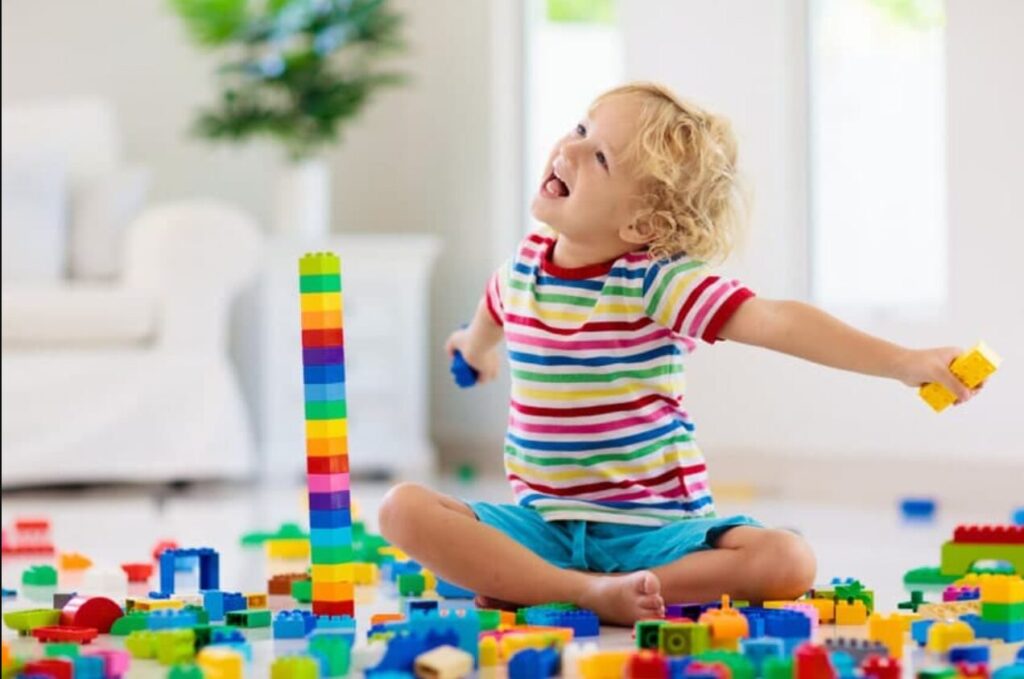
Finding the perfect toy for a 3-year-old is about more than just fun—it’s about finding tools that spark curiosity, build essential skills, and support their incredible developmental growth. At this magical age, play is the primary language of learning. This guide is curated to help you discover the best toys for 3 year olds that masterfully combine engaging play with meaningful developmental benefits in areas like motor skills, problem-solving, language, and social-emotional growth.
Why Learning Through Play is Crucial for 3-Year-Olds
Three-year-olds are in a dynamic stage of development. They’re transitioning from parallel play to more cooperative interactions, their language is exploding, and their physical coordination is advancing rapidly. Purposeful play is the engine for this growth. It allows them to experiment, imagine, and make sense of the world in a safe, joyful context. The right toys can specifically nurture:
- Cognitive & Problem-Solving Skills: Figuring out how things fit, work, and relate.
- Fine & Gross Motor Development: Refining hand-eye coordination and building large muscle strength.
- Language & Communication: Expanding vocabulary through storytelling, naming, and conversation.
- Social-Emotional Growth: Practicing empathy, sharing, and understanding emotions through role-play.
- Creativity & Imagination: Building original worlds and ideas from scratch.
Our Criteria for Choosing the Best Toys for 3 Year Olds
Our selections aren’t just popular picks; they’re vetted against key criteria that ensure safety, durability, and genuine educational value. Every toy on this list meets these standards:
- Safety First: Made with non-toxic materials, free from choking hazards, and built with sturdy, child-safe construction.
- Educational Value: Actively promotes development in one or more of the key domains listed above.
- Open-Ended Play: Encourages creativity and multiple uses over a single, prescribed function, growing with the child.
- Durability: Designed to withstand the energetic, hands-on play of a toddler.
- Pure Enjoyment: The “fun factor” is non-negotiable—engagement is the foundation of all learning.
The Ultimate List: Best Toys for 3 Year Olds
Here are our top picks for toys that deliver endless fun while laying a foundation for lifelong learning.
Magna-Tiles 32-Piece Set – For STEM & Spatial Reasoning
Target Skills: Spatial awareness, magnetic principles, fine motor skills, creative design.
Why We Recommend It: Magna-Tiles are a quintessential open-ended toy. The satisfying magnetic click allows young builders to successfully create 2D and 3D structures, teaching them fundamental concepts of geometry, engineering, and cause and effect through hands-on experimentation.
Key Features:
- Translucent, colorful pieces that interact with light.
- Always-connecting magnets empower successful play.
- Fosters independent and cooperative building.
Melissa & Doug Wooden Building Blocks Set – For Classic Creative Play
Target Skills: Fine motor control, balance, early math concepts, imaginative storytelling.
Why We Recommend It: A timeless staple, this block set is a powerhouse of learning. Children learn about weight, balance, and symmetry as they build, and the varied shapes encourage mathematical thinking and boundless creativity.
Key Features:
- Solid wood construction for exceptional durability.
- Various shapes promote complex planning and building.
- Serves as a prop for imaginative scenarios (castles, cities, zoos).
Play-Doh 10-Pack Case of Colors – For Sensory & Fine Motor Development
Target Skills: Hand strength, sensory exploration, creativity, color mixing.
Why We Recommend It: Play-Doh is more than just messy fun. The act of squeezing, rolling, and shaping is excellent for strengthening the small hand muscles critical for future writing skills. It’s a sensory experience that encourages artistic expression without rules.
Key Features:
- Provides hours of creative, tactile play.
- Non-toxic and easy to clean up.
- Can be used with tools for added skill practice.
VTech Care for Me Learning Carrier – For Empathy & Role-Play
Target Skills: Social-emotional skills, nurturing, responsibility, fine motor skills (fasteners).
Why We Recommend It: Pretend play is how children process emotions and social roles. This interactive carrier allows them to act out caregiving routines, fostering empathy and language development as they tend to their pet.
Key Features:
- Interactive pet reacts with sounds and motions.
- Carrier includes multiple fine motor activities (zipper, buckle, buttons).
- Encourages nurturing behavior and sequencing (feeding, grooming, bedtime).
Learning Resources Spike the Fine Motor Hedgehog – For Skill-Building Fun
Target Skills: Pincer grasp, color recognition, sorting, counting.
Why We Recommend It: Spike turns essential fine motor practice into a delightful game. Placing and removing the quills requires precise hand movements, directly preparing little hands for holding pencils and using utensils.
Key Features:
- Quills are easy for small hands to grasp.
- Can be used for simple color sorting and counting games.
- Sturdy body for standalone or on-the-go play.
Step2 Rain Showers Splash Pond – For Active, Gross Motor Play
Target Skills: Gross motor skills, balance, coordination, cause-and-effect.
Why We Recommend It: Active play is vital. This water table encourages standing, reaching, pouring, and splashing, which builds core strength and coordination. It’s a fantastic way to explore scientific concepts like volume and flow outdoors.
Key Features:
- Self-contained, mess-controlled water play.
- Includes interactive spinners and cups for varied play.
- Promotes social play and sharing during cooperative fun.
Peaceable Kingdom Hoot Owl Hoot! – For Cooperative Gameplay
Target Skills: Cooperation, simple strategy, color recognition, turn-taking.
Why We Recommend It: This board game introduces the structure of game play without competition. Players work together to get the owls home before sunrise, teaching teamwork, shared decision-making, and following rules in a supportive setting.
Key Features:
- No reading required, perfect for early play.
- Adjustable difficulty for longer use.
- Builds communication and collective problem-solving skills.
Crayola My First Mess-Free Touch Lights – For Creative Expression
Target Skills: Creativity, color discovery, cause-and-effect, low-mess art.
Why We Recommend It: This toy unlocks artistic expression without the cleanup. The mess-free, interactive light board responds to touch with color and sound, allowing even the youngest artists to “draw” freely and build confidence in their creations.
Key Features:
- Completely mess-free—no ink, paint, or paper.
- Interactive sounds and light patterns engage multiple senses.
- Portable design for creativity anywhere.
How to Maximize Learning with Your 3-Year-Old’s Toys
The toy itself is just the beginning. Your involvement can exponentially increase its learning value.
- Follow Their Lead: Let your child decide how to play with a toy. Their unique approach reveals their interests and thought process.
- Use “Sportscasting”: Narrate what they are doing (“You placed the red block on top of the blue one!”) to build language and show you’re engaged.
- Ask Open-Ended Questions: Instead of “Is that a castle?” try, “Tell me about what you’re building!” This encourages complex thinking and verbal expression.
- Rotate Toys: Keep a selection accessible and store others away. Rotating every few weeks keeps toys feeling fresh and exciting.
- Play Alongside Them: Model new ways to play. Build something yourself, act out a silly scenario with a figurine, or solve a puzzle piece they’re struggling with.
Frequently Asked Questions About the Best Toys for 3 Year Olds
Q1: What are the most important features to look for in toys for 3-year-olds?
Prioritize safety, durability, and open-ended play potential. Toys that can be used in multiple ways (like blocks or play dough) grow with your child and stimulate creativity more than single-function, battery-operated toys.
Q2: How many toys should I make available to my 3-year-old at once?
Less is often more. A curated selection of 8-10 accessible toys can reduce overstimulation and encourage deeper, more focused play. Use toy rotation to maintain interest.
Q3: Are electronic toys good for learning at this age?
While some high-quality interactive toys can teach specific skills (like letter sounds), they often limit open-ended creativity. The best toys for 3 year olds are typically “low-tech” and powered by the child’s imagination, which is most beneficial for cognitive and social development.
Q4: What are the best toys for 3 year olds to develop fine motor skills?
Look for toys that require pinching, grasping, placing, or manipulating. Excellent choices include: peg puzzles, lacing beads, play-dough with tools, building sets with small pieces (appropriate size), and toys with buttons, zippers, or buckles.
Q5: How can I tell if a toy is truly educational or just fun?
An educational toy encourages active problem-solving, creativity, or skill practice. Ask: Does it have only one right answer/use, or can the child direct the play? Does it allow for progression as skills advance? The most educational toys are often 90% child and 10% toy.
Conclusion
Choosing the best toys for 3 year olds is an investment in their joyful development. The toys listed here are more than just distractions; they are tools that help your child build critical skills, confidence, and a lifelong love for learning—all through the powerful medium of play. By selecting toys that prioritize open-ended engagement and developmental value, you’re providing the richest possible environment for your growing toddler. Happy playing and learning