

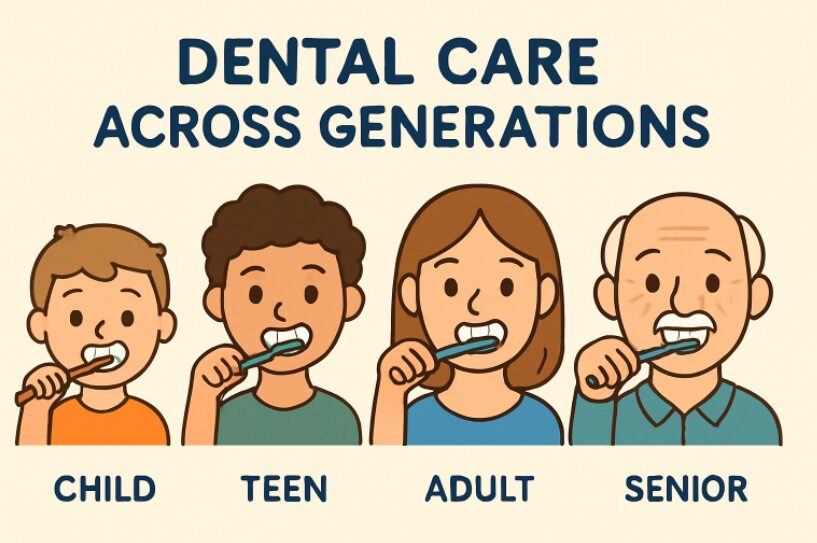
Optimal oral health is a lifelong journey, with each generation needing to address specific challenges and follow best practices to keep their smiles strong. While foundational habits such as regular brushing and flossing never change, how we implement and adapt these habits can determine lifelong dental outcomes. Harnessing evolving science and new technology, individuals at every stage of life are empowered with effective solutions, including preventive care and dental implants when tooth loss occurs.
Today’s focus on tailoring dental care to life stages ensures that children, teens, adults, and seniors each have opportunities to thrive. Maintaining consistency and adapting care strategies as teeth and gums age play a pivotal role in preventing complications. There are more resources and innovations than ever before, making it possible for families to stay proactive regardless of age or background.
Establishing these healthy routines early and reinforcing them throughout adolescence and adulthood also means future dental complications can be minimized. The introduction of mobile healthcare apps, electric toothbrushes, and expanded access to professional advice has further transformed the dental experience for all generations. These advancements, along with better health literacy, help ensure today’s generation is the healthiest yet.
Beyond technology, an awareness of lifestyle impacts, from diet to tobacco use, is essential for lifelong dental harmony. As we recognize the generational nuances that affect dental health, everyone benefits from a more holistic, informed approach at every age.
Early Childhood: Building the Foundation
Dental health begins before the first tooth even appears. Parents are primarily responsible for introducing proper habits to children, including brushing twice daily with fluoride toothpaste and encouraging flossing when teeth start to touch. The American Dental Association recommends starting professional dental visits by age one, setting the stage for a lifetime of routine care. Yet, studies show many families fall short, with nearly 20% of children only brushing once per day, emphasizing the need for persistent support and education from caregivers and schools.
Adolescents and Teens: Navigating New Challenges
Adolescence introduces a host of dental hurdles. Between increased independence, social influences, and changing diets, teens often face higher risks for cavities, gum sensitivity, and even orthodontic concerns as braces become common. Peer pressure and a preference for sugary drinks or neglecting oral hygiene can be stumbling blocks. Promoting awareness of the lasting benefits of oral care helps teens make better choices, leading to lifelong habits and avoiding chronic problems. In fact, regular checkups and cleanings are important safeguards for teens navigating these new dental risks.
Young Adults: Balancing Independence and Responsibility
With new autonomy comes both opportunities and challenges for young adults. Many struggle to prioritize dental care due to hectic schedules, changing life circumstances, or cost barriers. According to the American Dental Association, nearly one-third of adults aged 18 to 35 skipped dental appointments in the prior year, putting themselves at risk for undetected decay, gum disease, and costly complications down the road. Encouraging insurance enrollment, budgeting for routine care, and understanding the repercussions of deferred visits are vital for establishing lasting, proactive habits as young adults move toward middle age.
Middle-Aged Adults: Preventing and Managing Dental Issues
People in their middle years enter a new phase, where prevention and management go hand in hand. The risk for gum disease, root sensitivity, and other chronic concerns increases after age 40. Consistent oral hygiene with fluoride products, regular dental visits, and swift intervention for issues like receding gums, sensitivity, and dental restorations become paramount. Addressing lifestyle factors, such as quitting smoking and moderating alcohol, further curbs risk factors for dental and oral cancers while preserving tooth structure and gum health.
Seniors: Adapting to Changing Needs
For older adults, maintaining oral health means adapting to specific challenges such as dry mouth (often caused by medications), tooth loss, and changes in dexterity. Solutions may include increased hydration, use of saliva substitutes, and professional cleanings to manage dentures or dental implants. Advancements like tele-dentistry facilitate easier access for seniors, offering consultations and guidance without travel. Proactive care and adaptive tools help seniors overcome new obstacles and maintain better oral function and comfort.
Embracing Technology Across Generations
Technological innovation is revolutionizing dental care for all ages. Features like smart electric toothbrushes with timers, children’s apps to foster engagement, and teledentistry consultations have made it easier to stay consistent. Reminders, personalized brushing guidance, and even virtual dental evaluations help families maintain overall oral hygiene with greater insight and convenience. These tools ensure every generation is better equipped to manage their dental health proactively.
Preventive Measures: A Universal Approach
Preventive dentistry remains the single most effective strategy for sustaining healthy teeth and gums through every stage of life. The gold standard recommendations are simple but effective: brush twice daily with fluoride toothpaste, floss every day, maintain a balanced diet, and avoid tobacco. Regular checkups identify issues early and offer professional cleaning to prevent gum disease and decay. Remaining vigilant about dietary habits and nurturing positive routines ensures the foundation for future generations to enjoy strong, healthy smiles.
Conclusion
Dental wellness is not static but evolves at every life stage, shaped by biological, lifestyle, and technological changes. Recognizing generational needs and actively adapting oral health routines enables everyone, from toddlers to seniors, to prevent disease and maximize quality of life. Educated choices, supported by innovation and good habits, ensure that every smile endures the test of time.